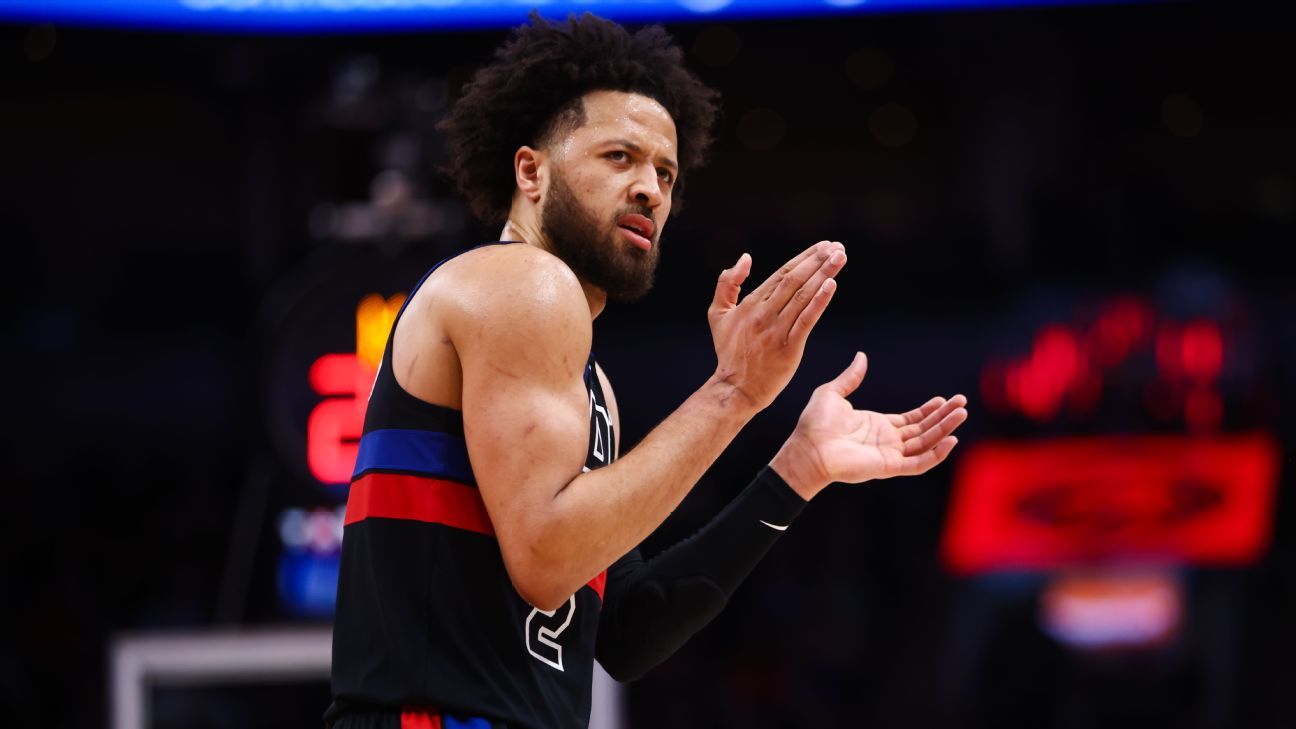
The National Basketball Players Association (NBPA) is calling on the NBA to revise its current rule requiring players to participate in at least 65 games to be eligible for end-of-season awards. This push comes after the case of Cunningham, who faced challenges due to the existing rule, sparking discussions about fairness and the need for policy updates.
The current 65-game threshold has been a longstanding criterion for players aiming to qualify for awards such as MVP, All-NBA teams, and other honors. However, recent cases like Cunningham's have highlighted potential issues with the rule, especially in situations where injuries or other circumstances prevent players from reaching the required number of games but still demonstrate exceptional performance throughout the season.
The NBPA emphasizes that the rule may unfairly penalize players who miss games due to legitimate reasons but still contribute significantly to their teams. They argue that a revision could ensure more equitable recognition for deserving players, regardless of missed games, especially in extraordinary circumstances.
Sources close to the NBPA indicate that discussions are ongoing with league officials to consider amendments that could include a more flexible eligibility criterion. Such changes might involve adjusting the minimum game requirement or implementing alternative measures to evaluate player performance and contribution.
The Cunningham case has become a catalyst for broader conversations about the fairness of NBA award eligibility rules. Players and analysts alike are advocating for a more nuanced approach that reflects a player's overall impact rather than strict game participation metrics.
As the league reviews these proposals, stakeholders hope to reach a consensus that balances the integrity of awards with fairness to players. The NBPA’s advocacy underscores a growing desire within the basketball community to modernize and adapt rules to better suit the realities of the game today.
Ultimately, any potential rule change would aim to ensure that talented and impactful players are recognized appropriately, even if unforeseen circumstances prevent them from meeting traditional participation thresholds. The ongoing discussions mark a significant step toward more equitable award eligibility criteria in the NBA.